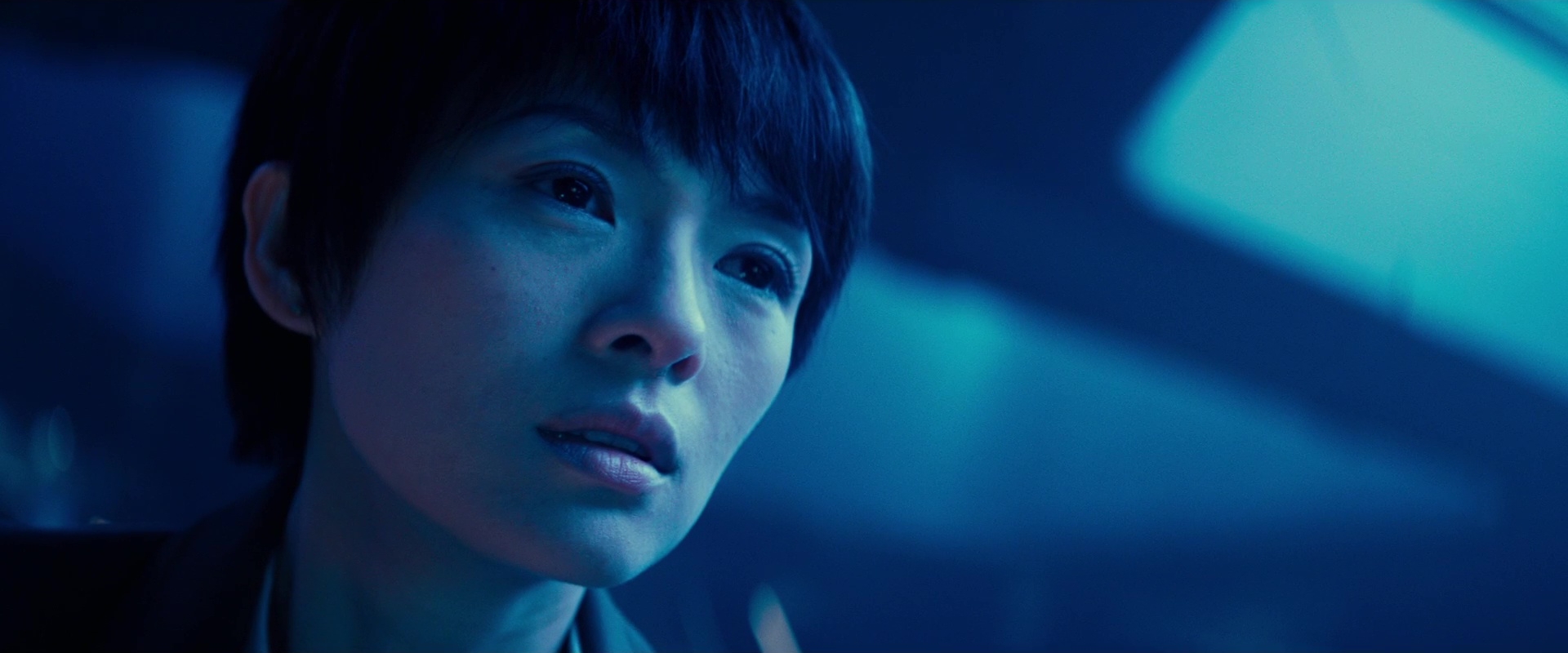
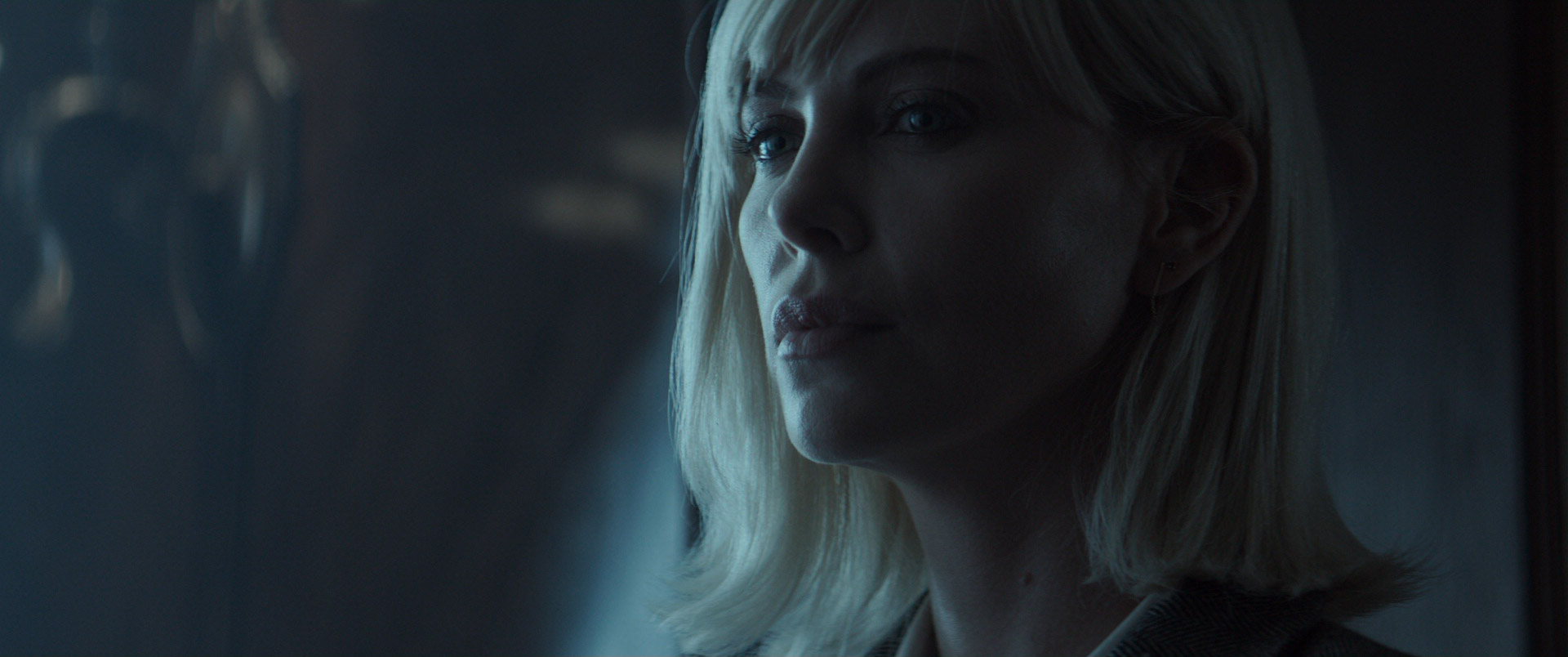
Claire Bedford, a 30 something engineer (and several months pregnant), wakes up disoriented in a stolen starship. She's running for her life from her powerful, dangerous ex-husband, Gregory, a ruthless manipulator who is on his way to catch her.
The ship's self defence systems have been activated, and are resetting Claire's memories every 7 minutes. It's only during mealtimes that she has a break, and a chance to escape.
Following voice notes that previous memory loop versions of herself have left, Claire begins to hack the ship, fighting its defence systems as she tries to get out. The AI voice of the ship, speaking with her husband Gregory's voice, tries to convince her to stop - by manipulating, threatening, gaslighting, and coercing. He's convincing, charming, and hiding the fact that the real Gregory is getting closer every minute.
As the ticking clock of the loop counts down, Claire begins to realize that not every voice guiding her is what it seems. Claire must decide who to trust - including herself - and how far she's willing to go to protect her unborn child.
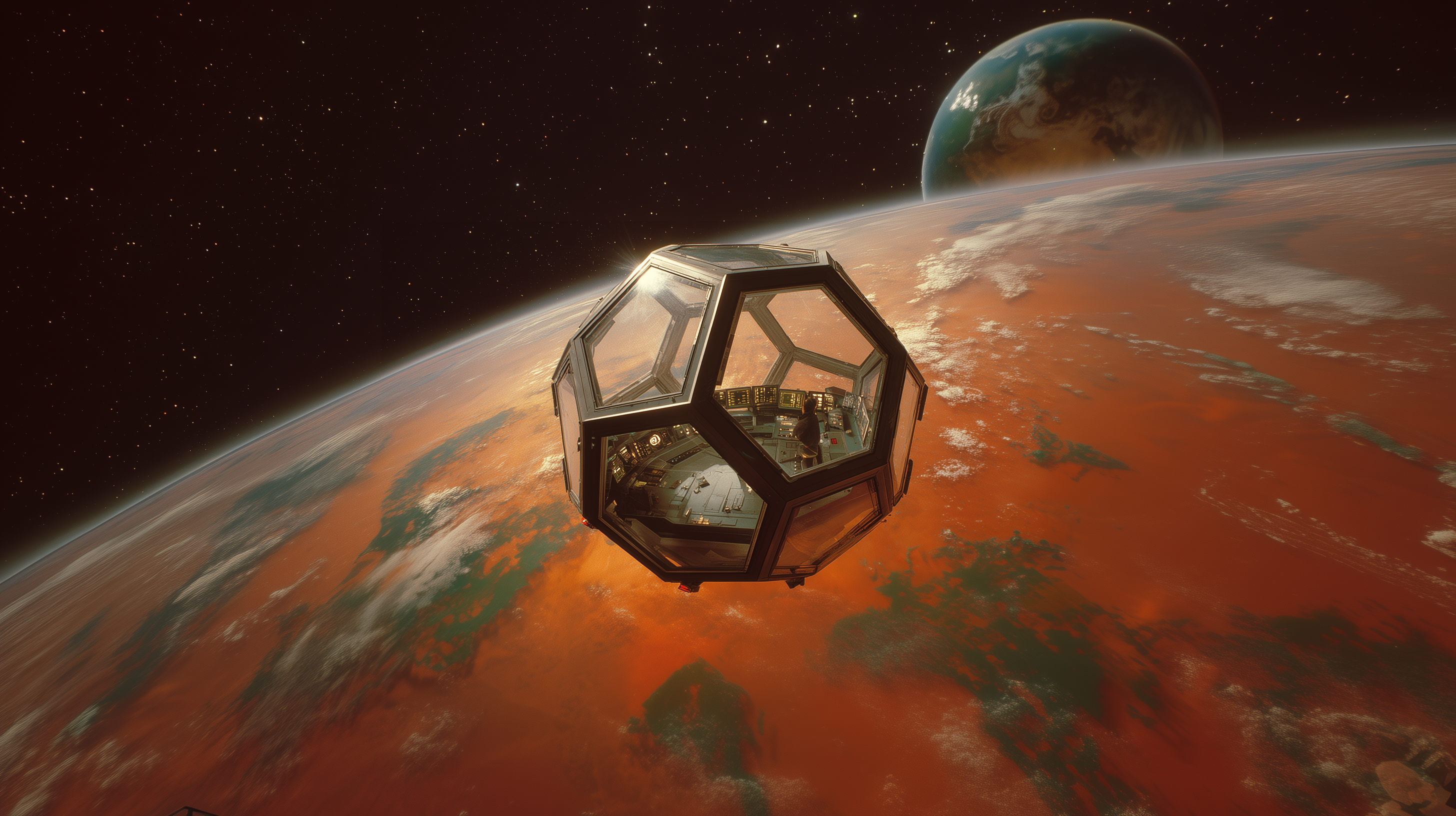
The visual language draws from the best of futuristic sci-fi — glass, light, and isolation as design principles. We're creating a film that is suffocatingly intense — despite the glass walls, this starship is very much a cage. We're in one character's POV through a gripping 10 minute thrill ride, as the clock counts down and the pressure mounts.
Inside the starship, we'll create a gripping world that shifts between large dolly and jib moves and intimate handheld moments. We'll build the ship on a rotating platform, so that we have 360 degree access to the virtual environment. We want to be as precise as Claire is as she navigates the puzzle she's in - but as she slowly loses control, so do we. We'll build the ship to be modular, allowing us to decide when and where to shoot through glass and when to be up close and personal with Claire. At its core, this is a film about coercive control, and a woman who must learn to trust herself when everything around her is designed to make her doubt.
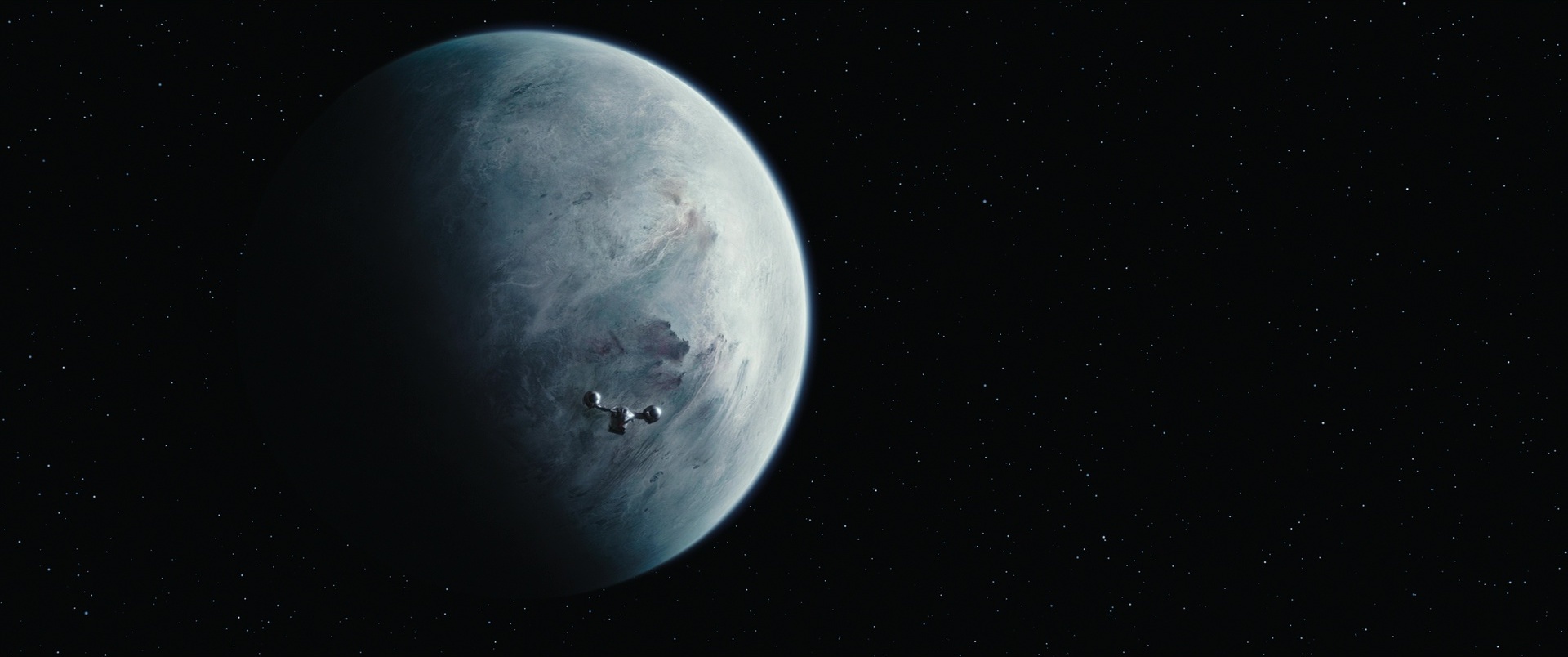
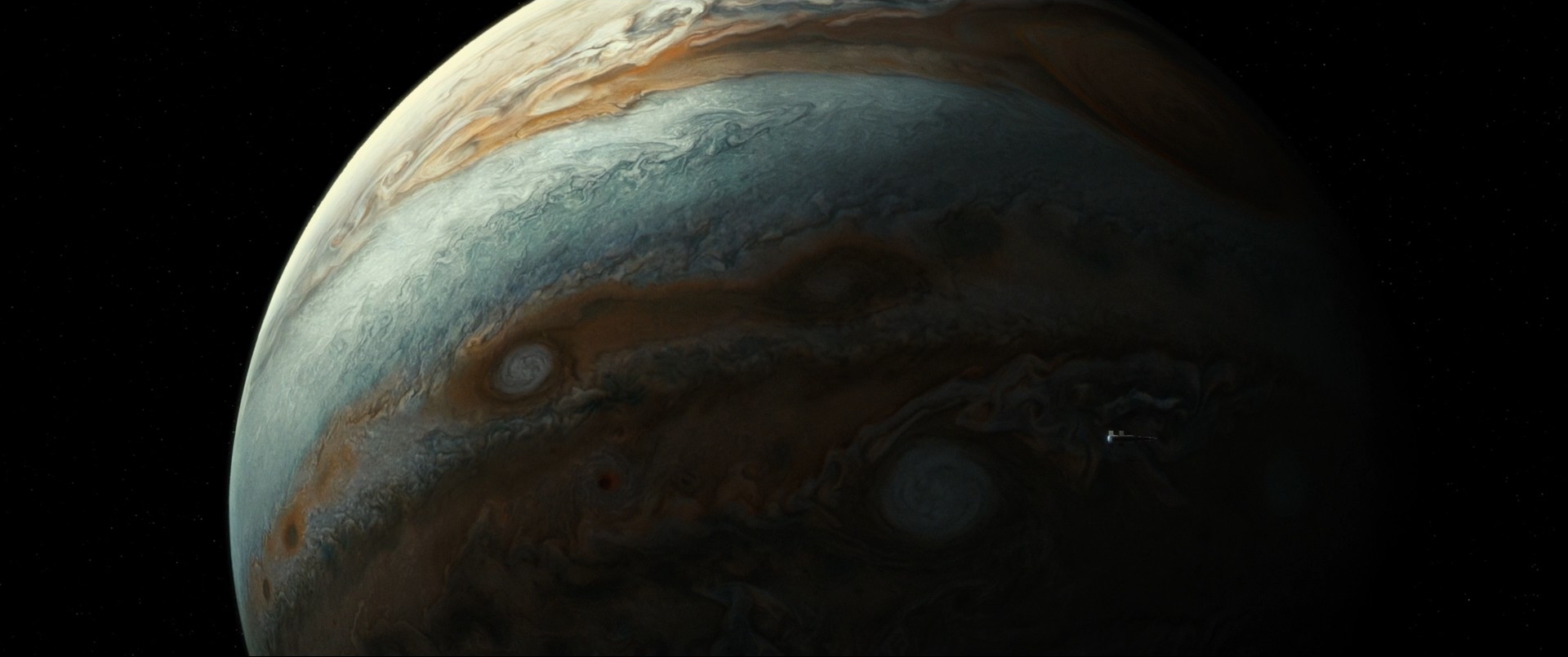
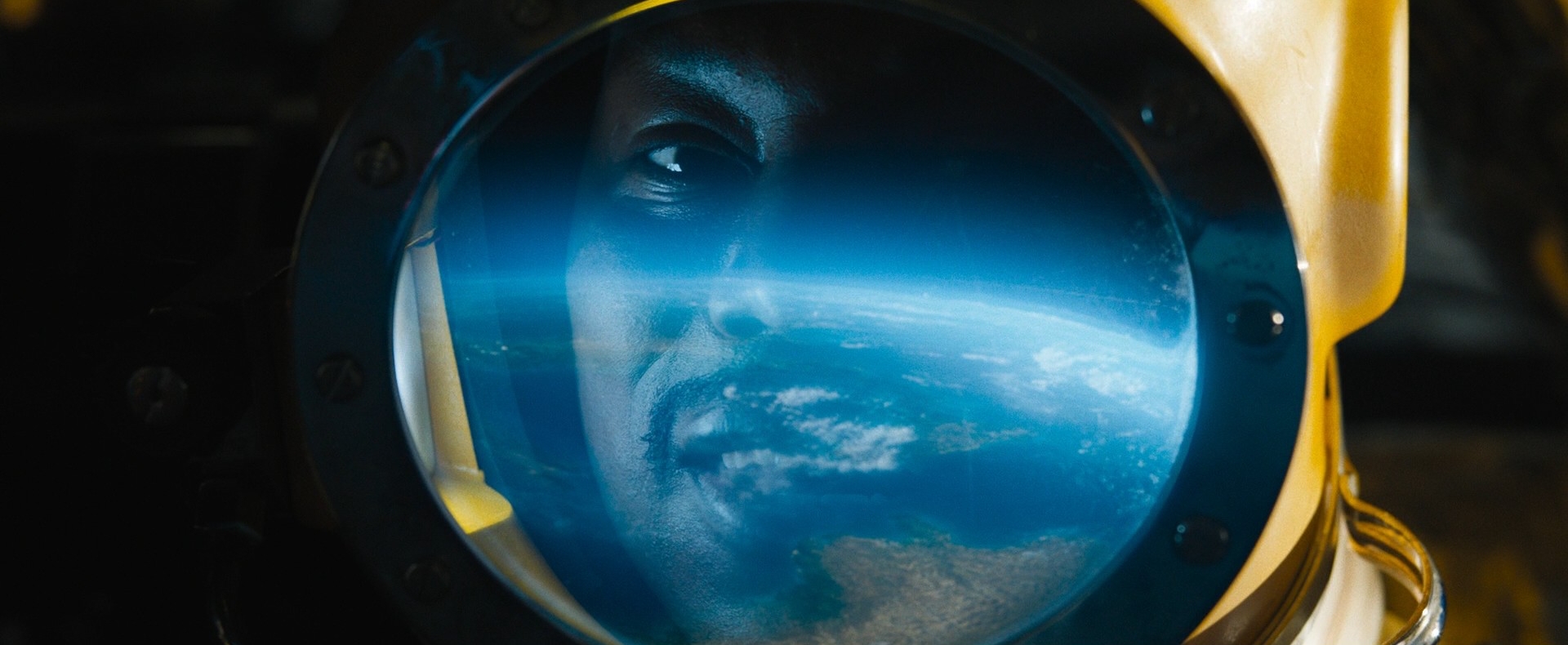
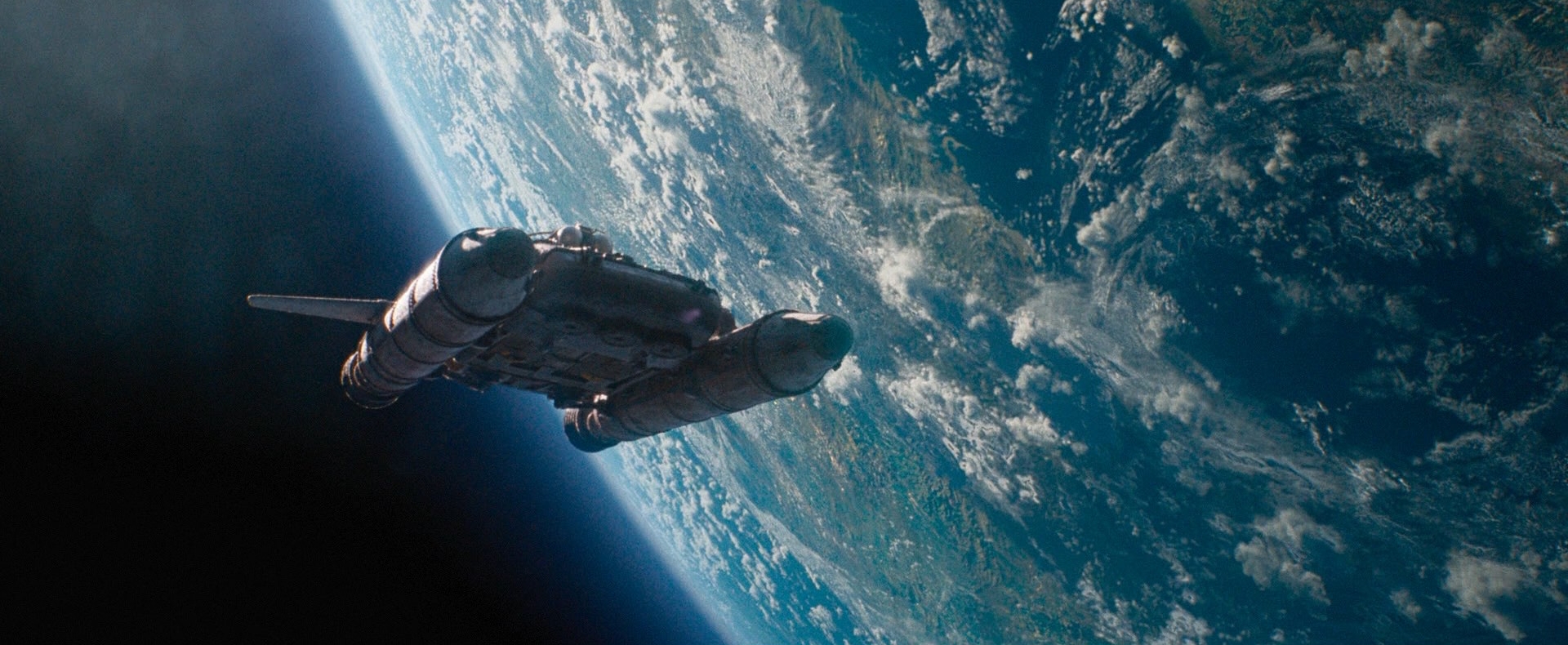
A practically built starship made out of octagonal glass panels. It's the most expensive ship in the galaxy, owned and designed by Gregory, Claire's nefarious ex-husband. It's got metal frames holding the glass panels together, complete with reactive ambient lighting that changes hue as the starship AI speaks. Despite its transparent nature, it's a cage - and it grows more claustrophobic as the film progresses.
We'll build this starship practically, out of acrylic sheets. Yes, it's a complex, difficult build — but it's where 100% of our film takes place. We're narrowing our focus to make something that truly stands out from other student films.
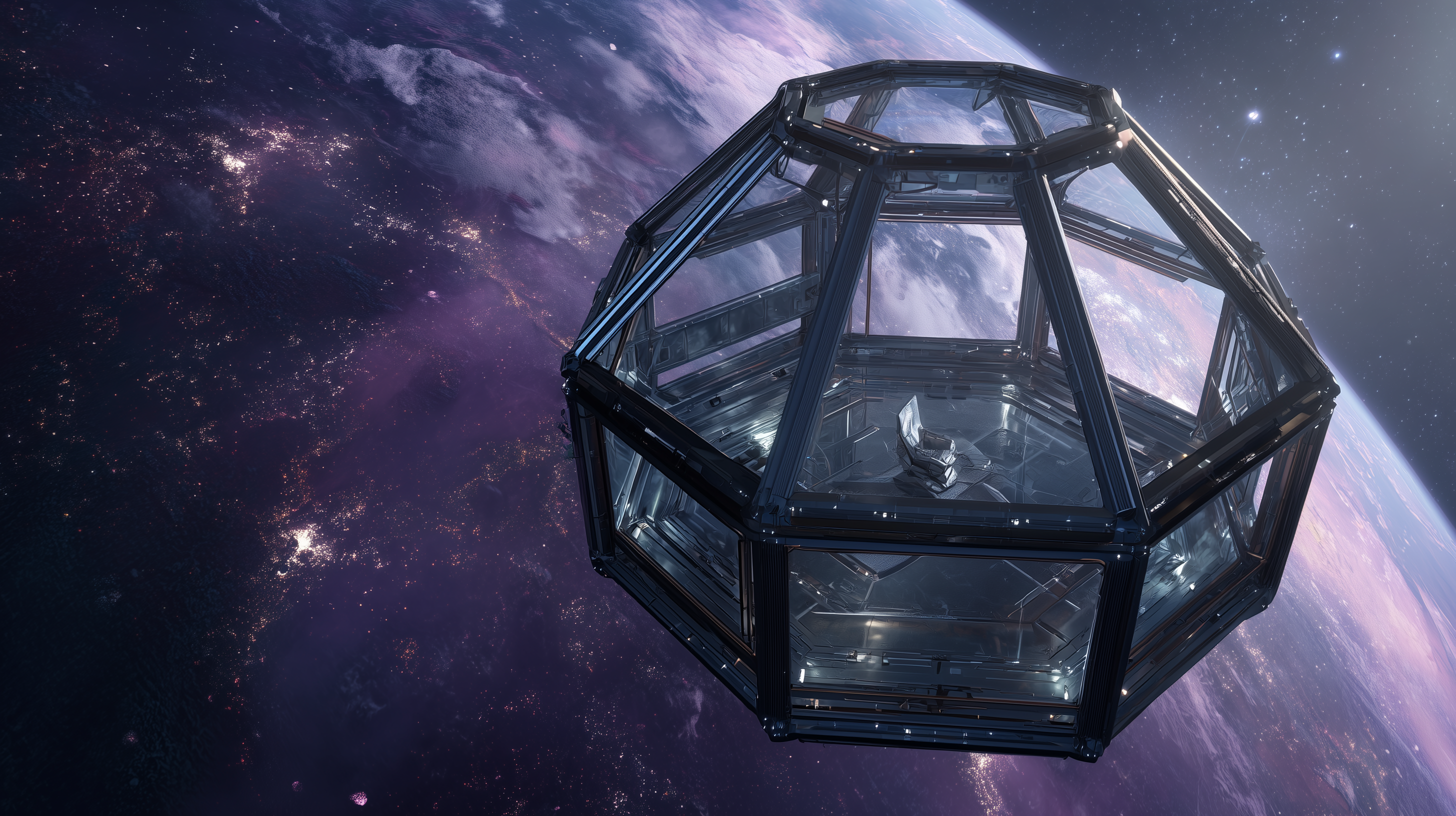
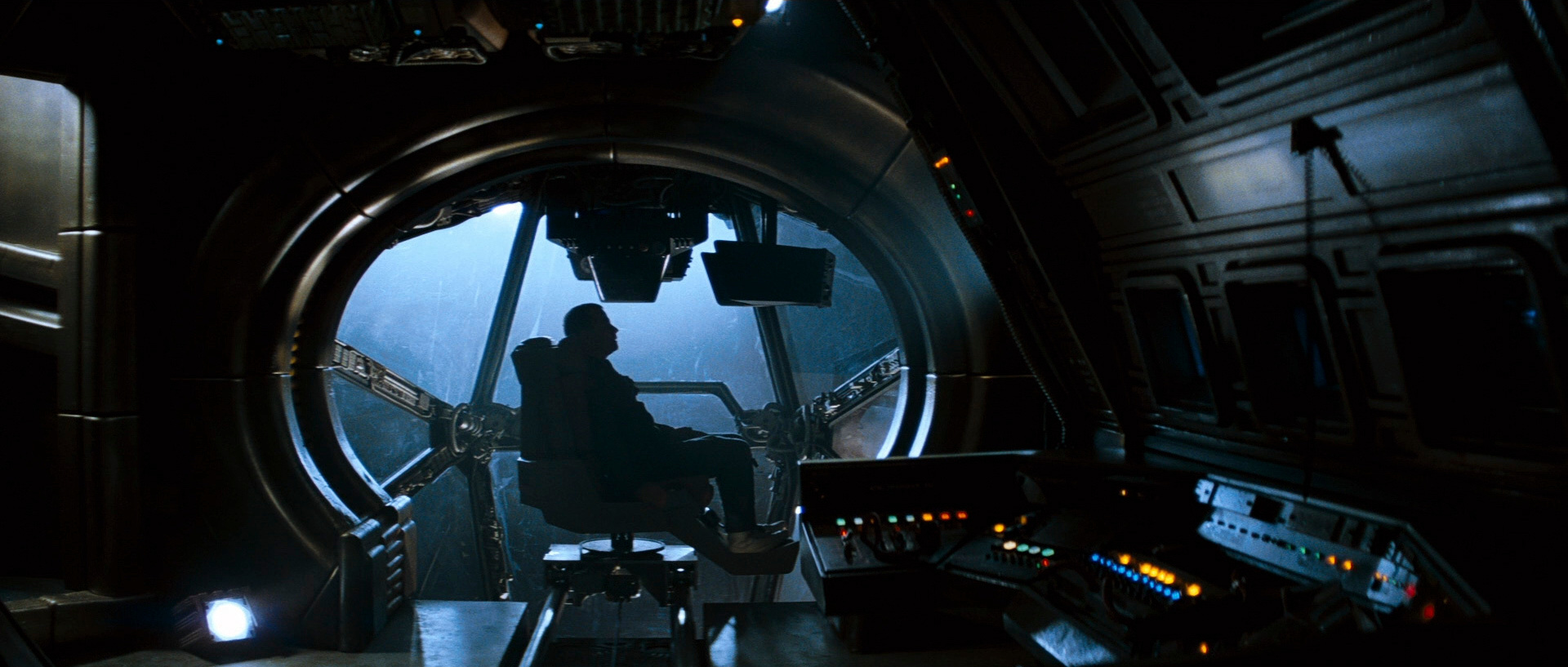
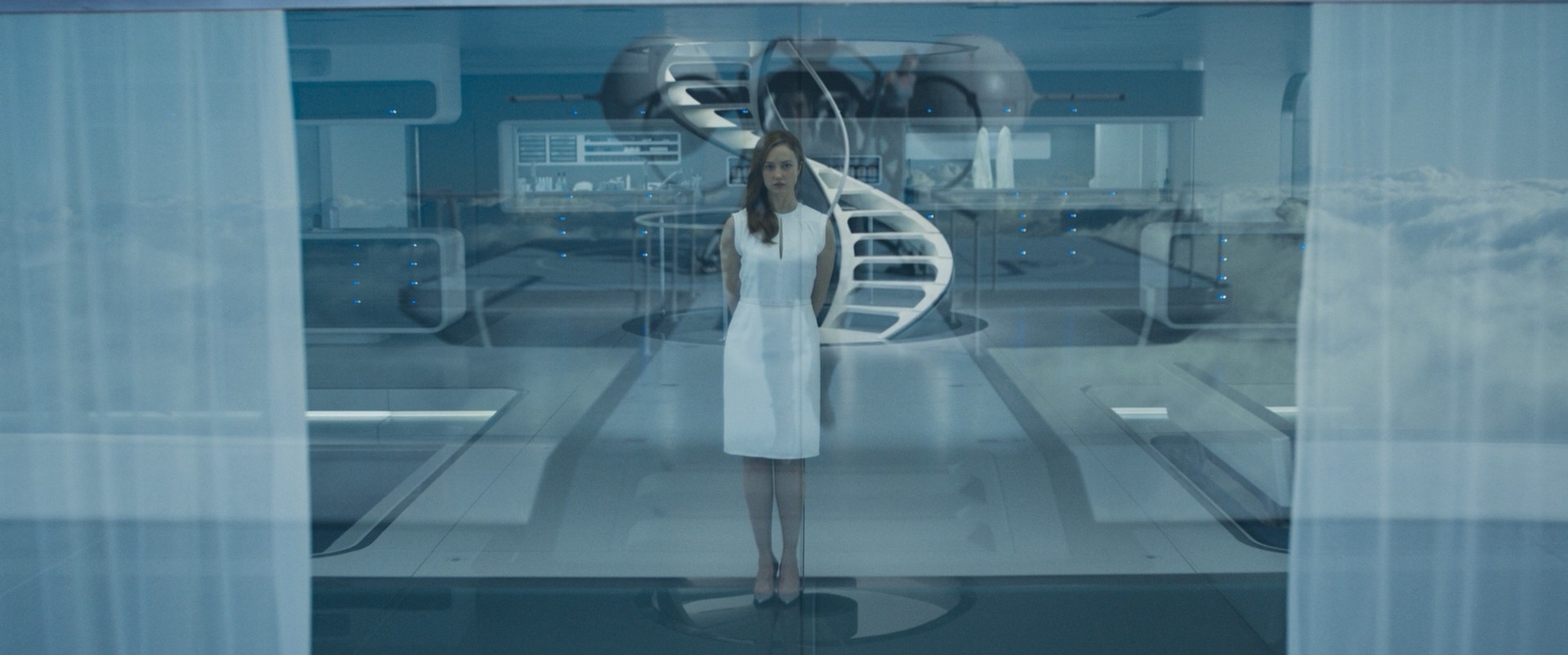
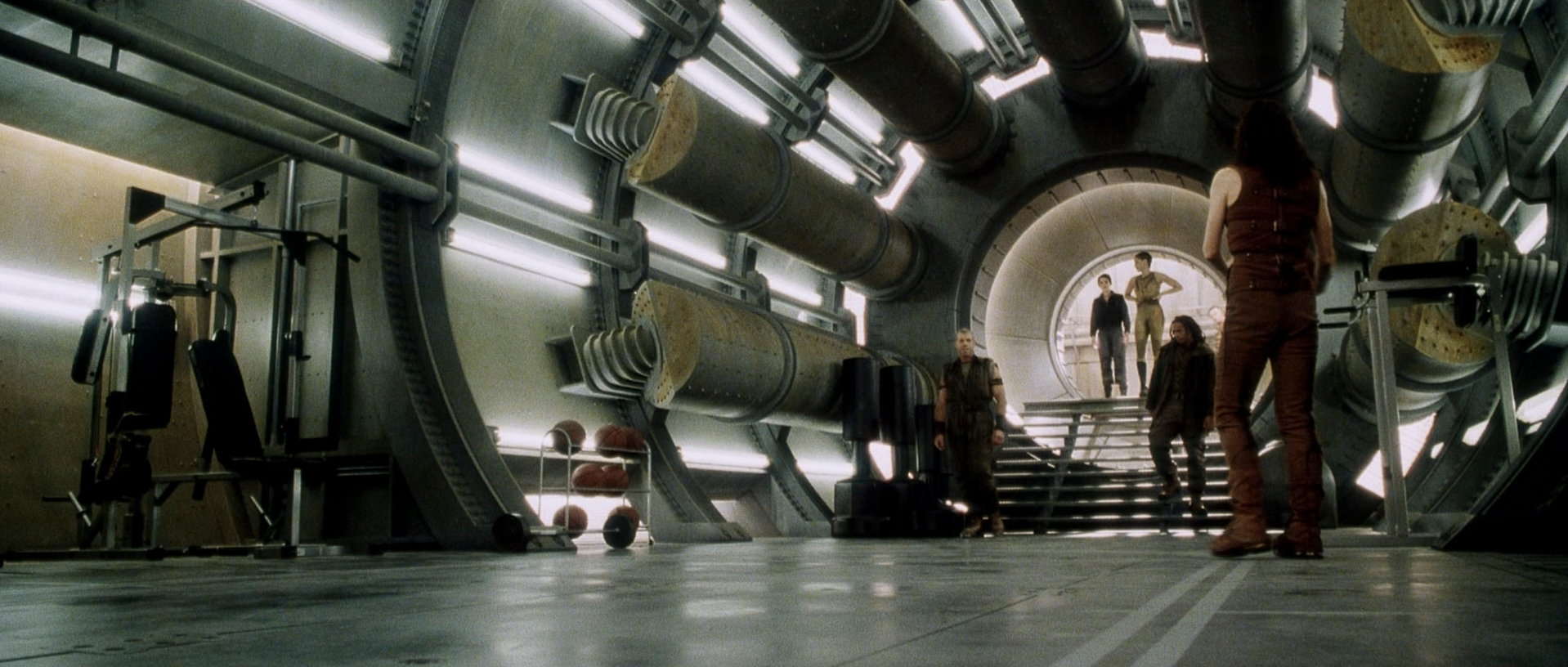
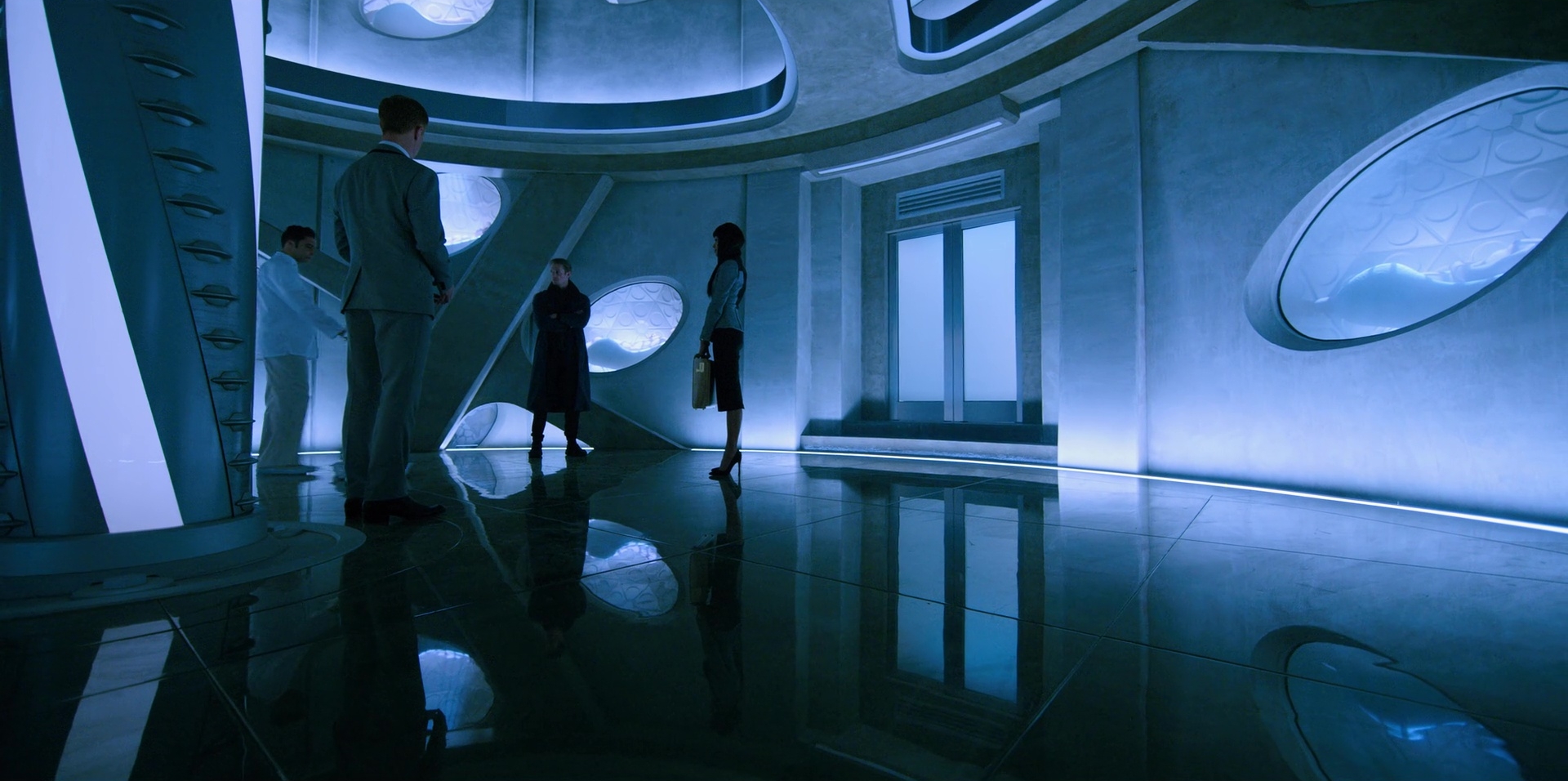
A world defined by two states: the cold, clinical calm of Gregory's control, and the urgent warmth of Claire's fight to break free.
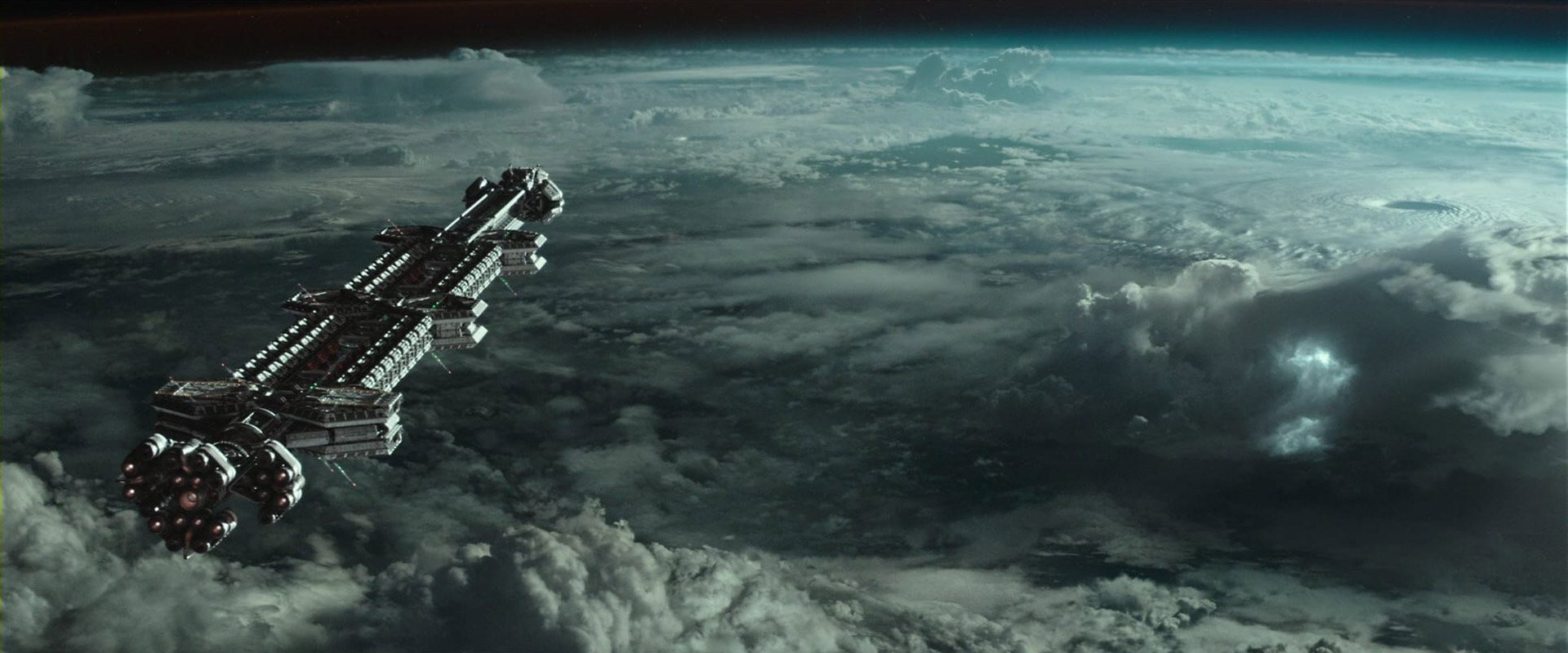
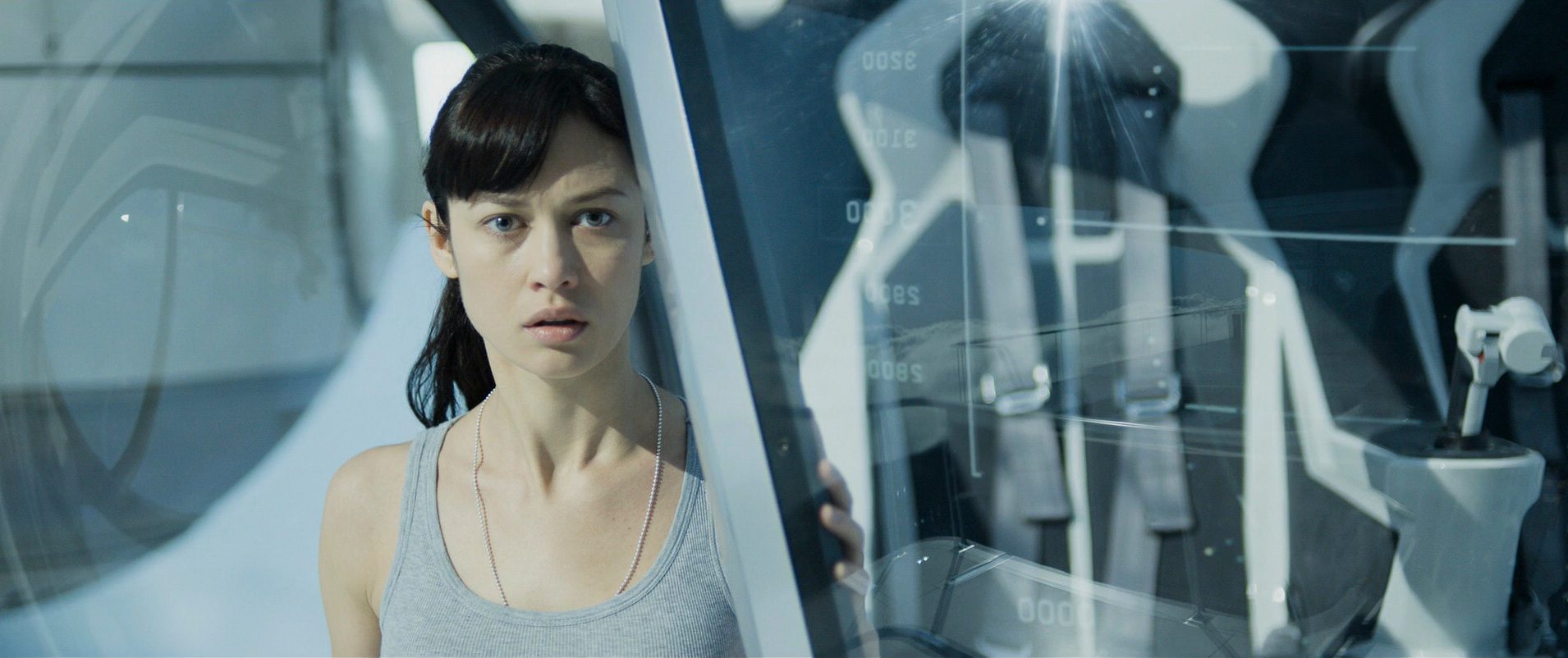
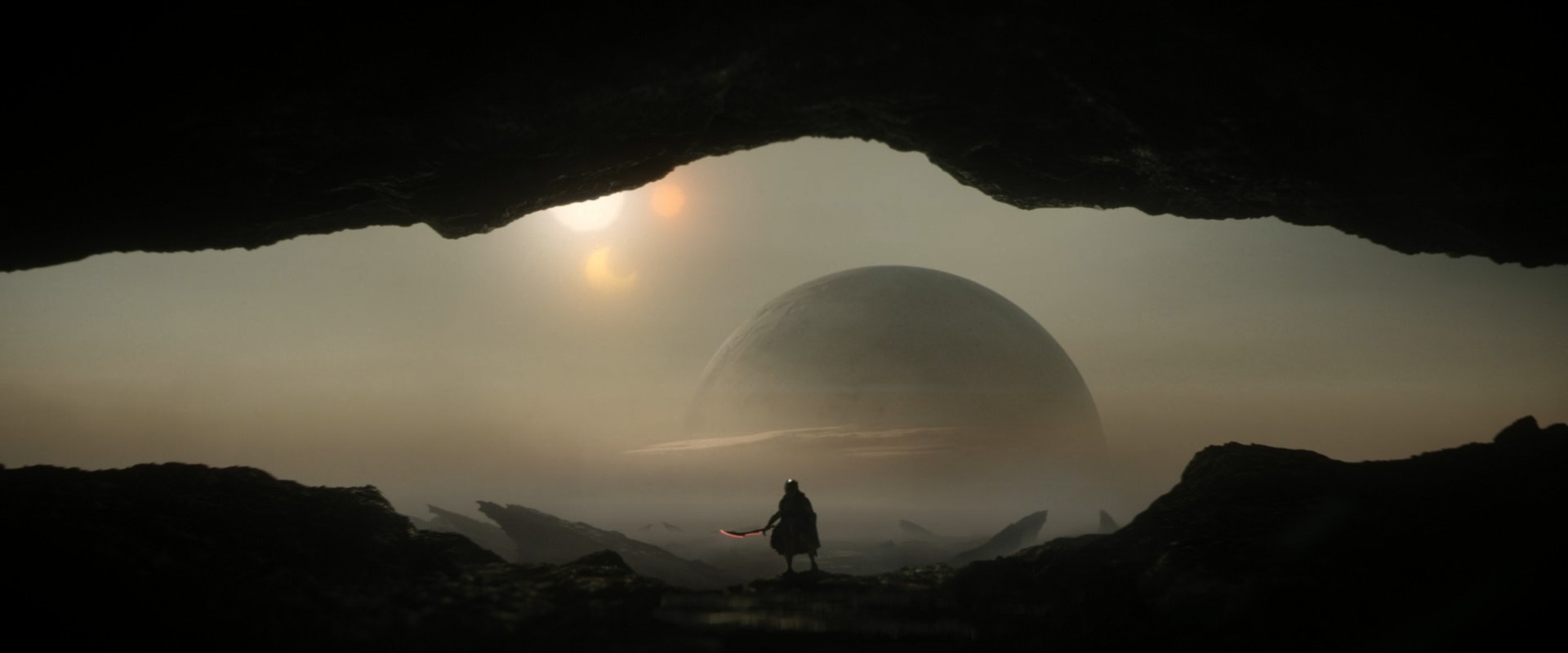
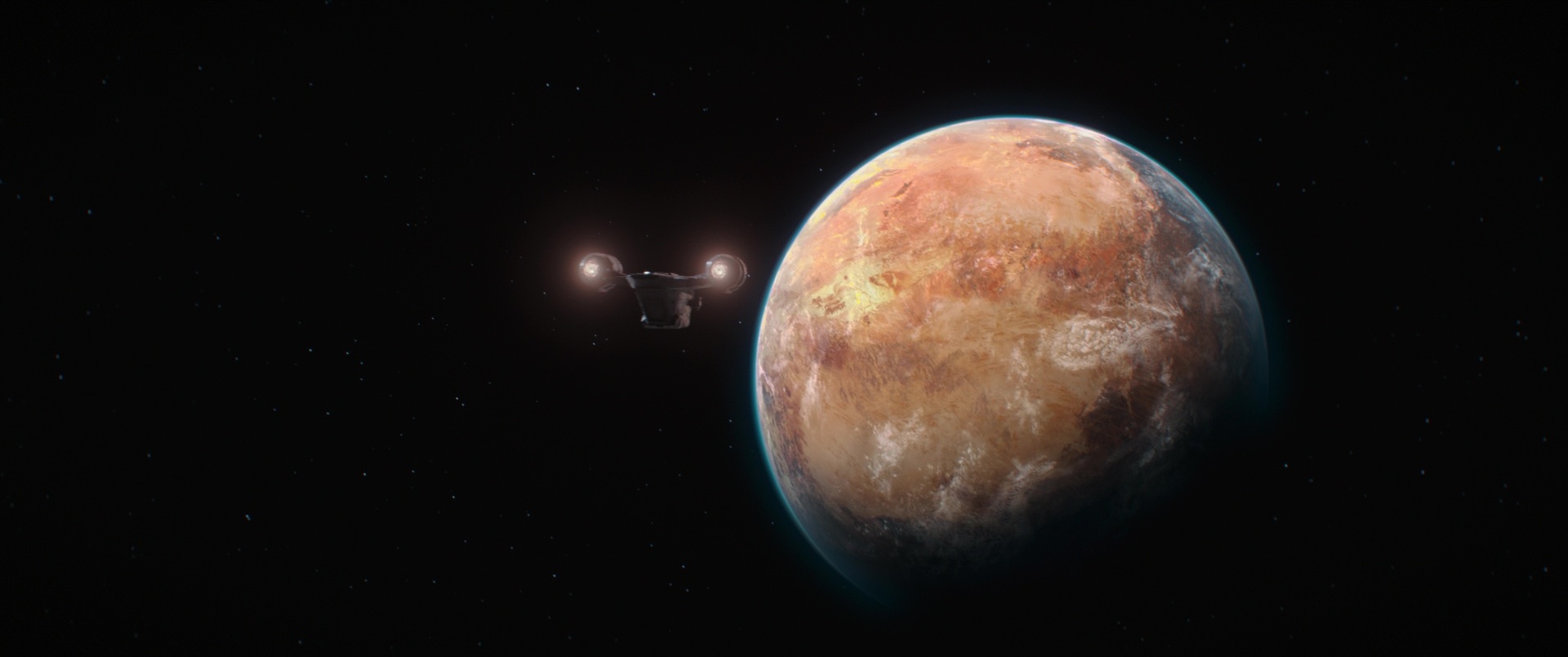
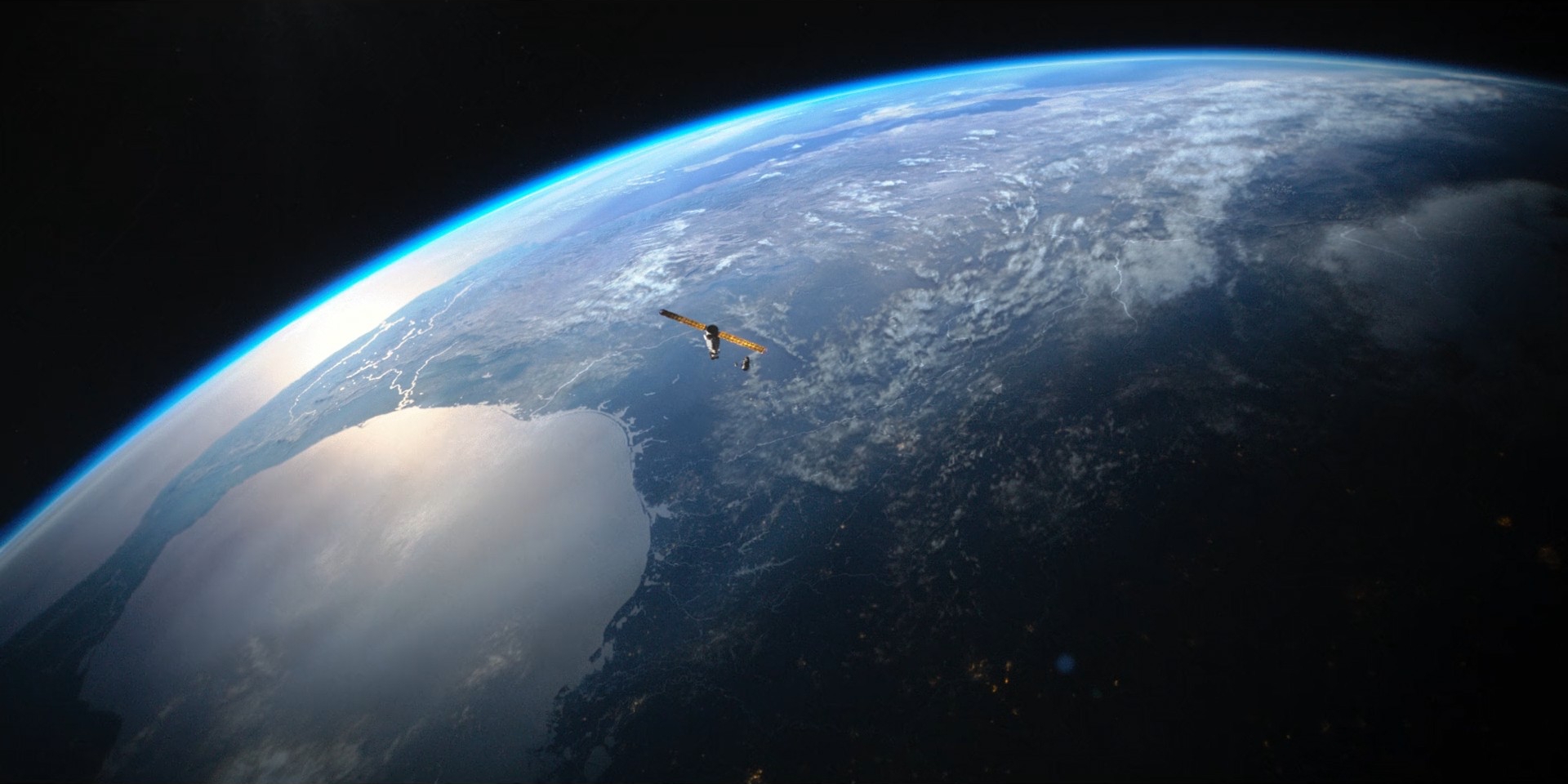
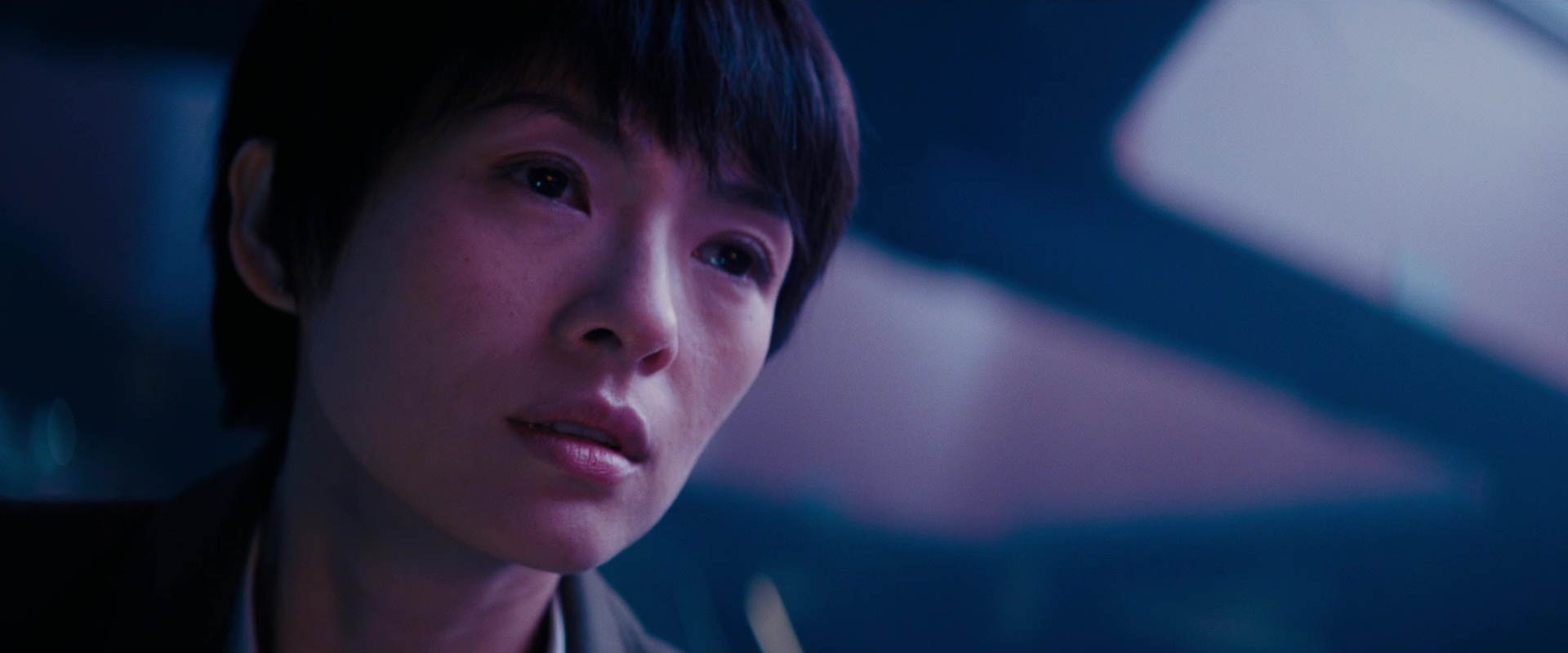
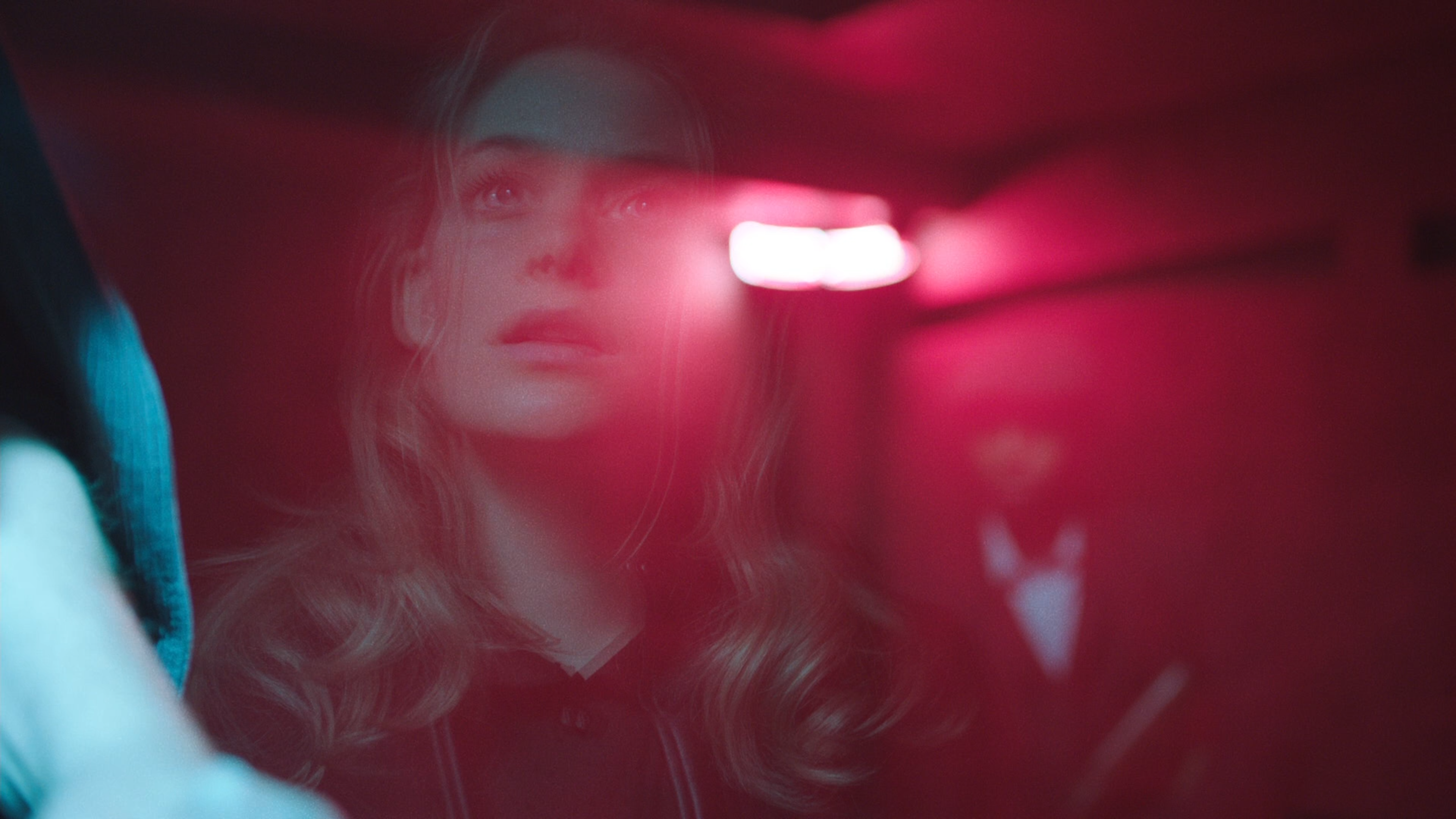
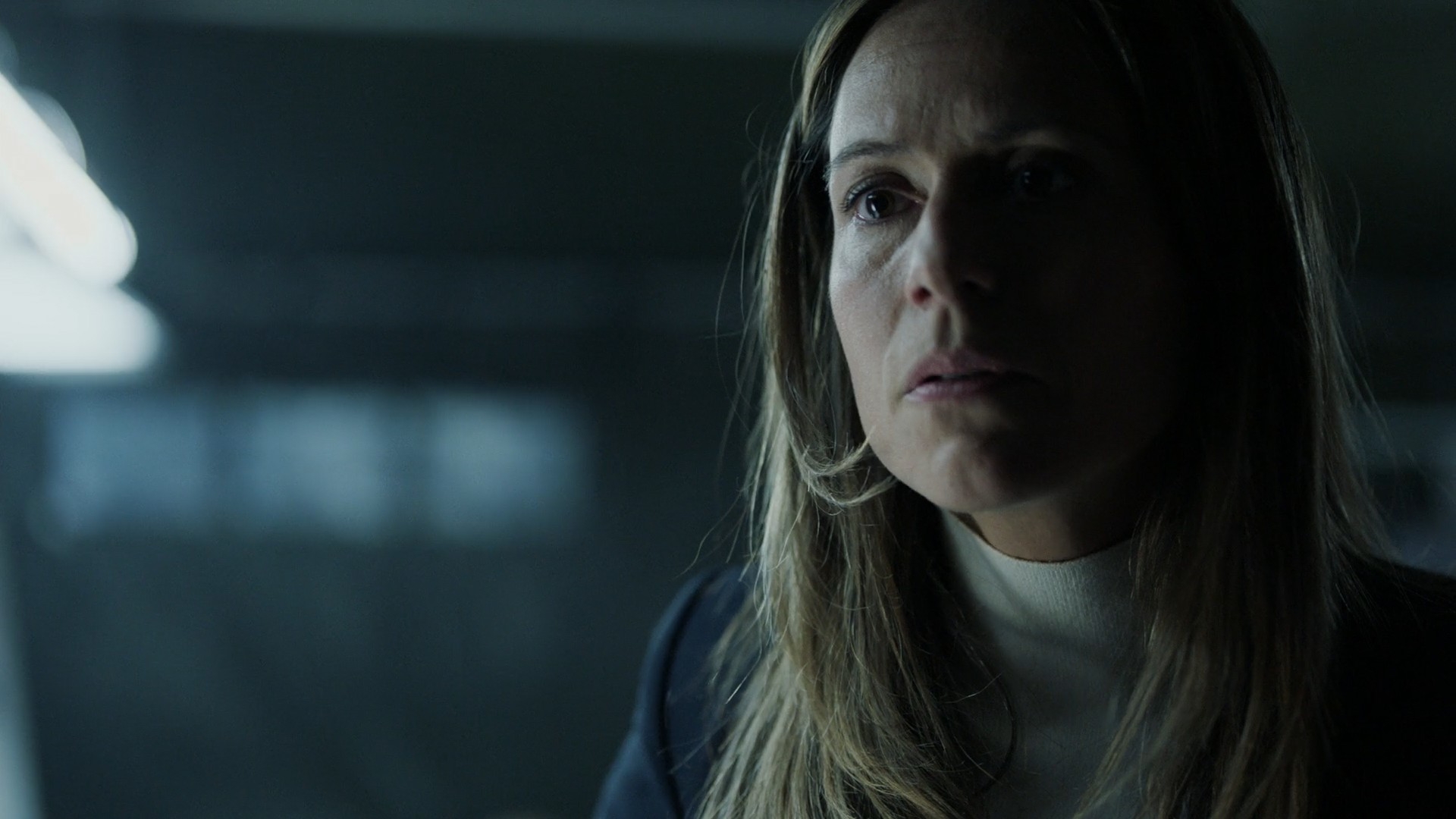
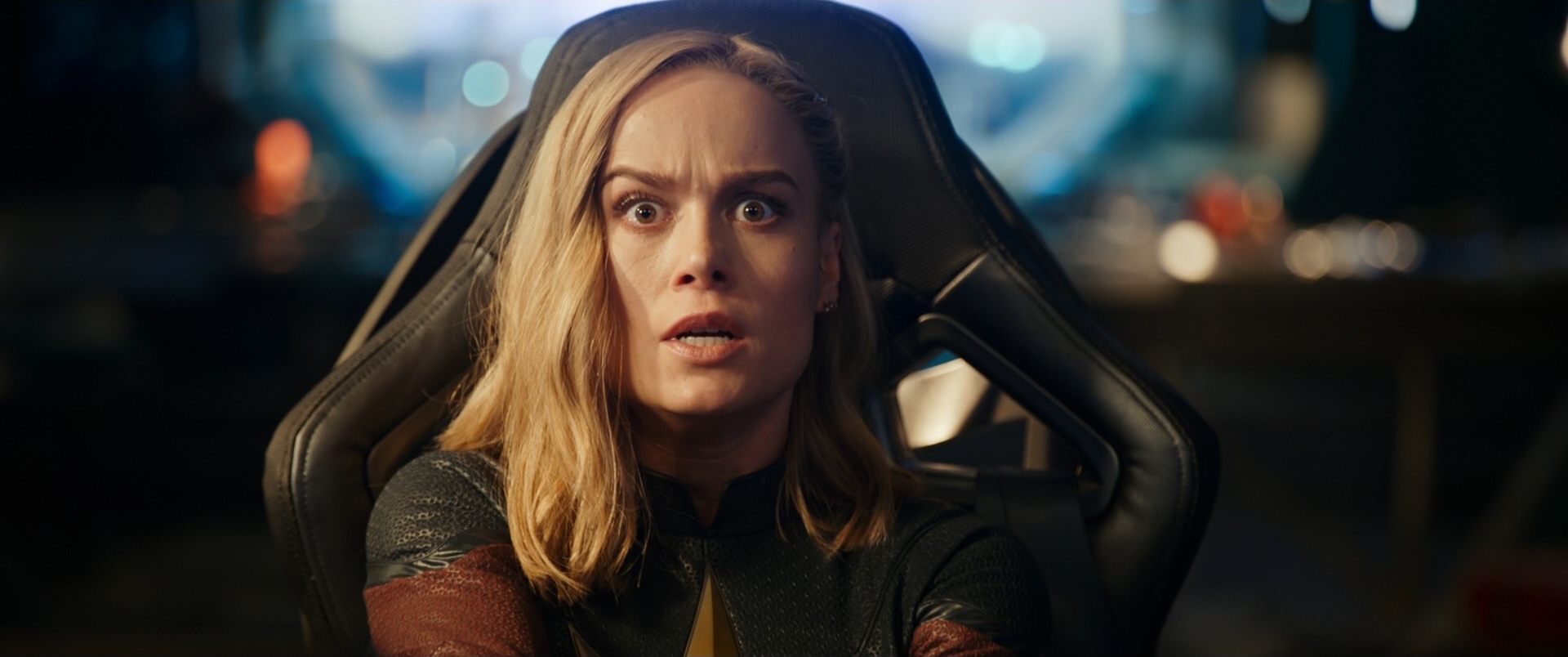
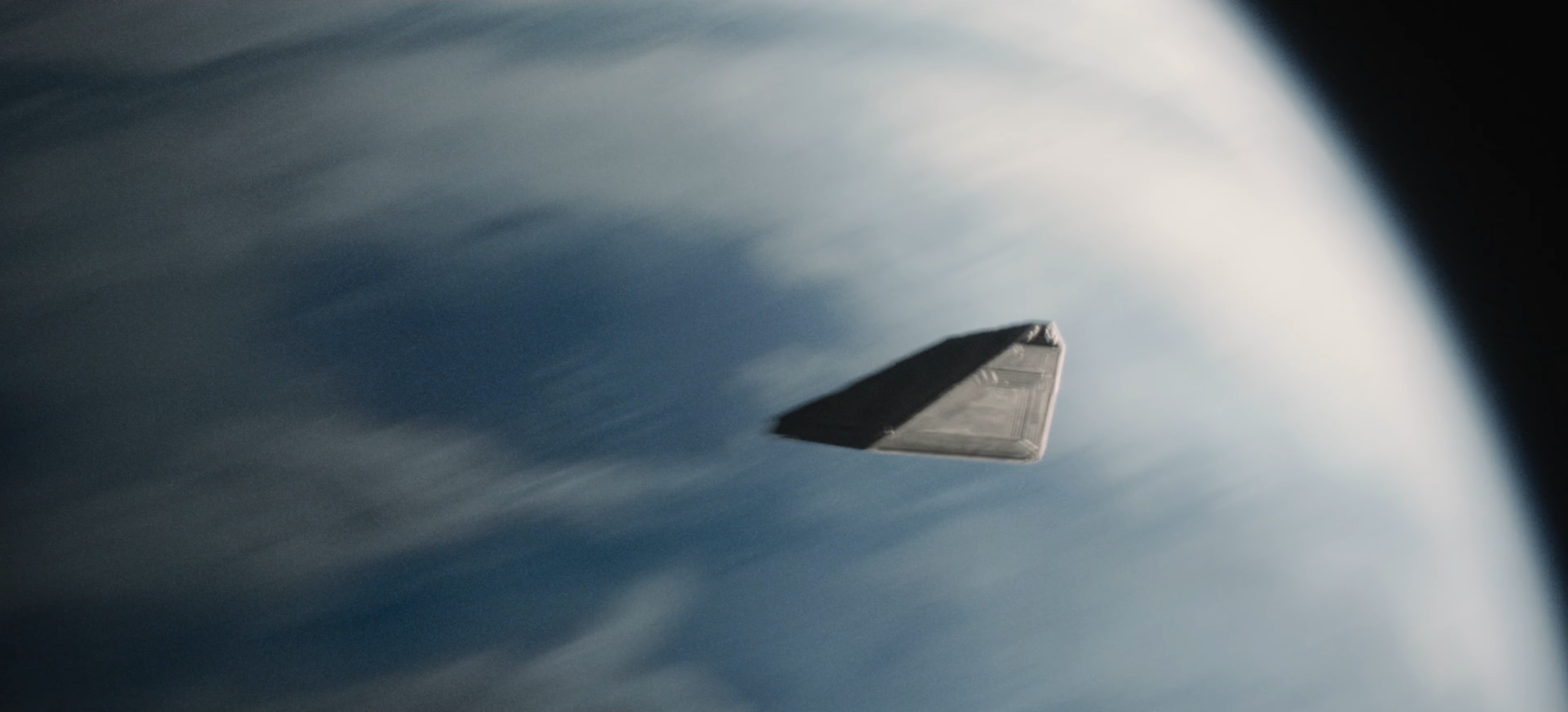
Practical Build + LED Volume. We're aiming to shoot this entirely on a LED volume wall, so that the environment outside can be captured perfectly through the glass. In a lot of ways it's like the 2013 sci-fi film Oblivion, which used a similar technique. It's an incredible way to create beautiful visuals that reflect, refract, and illuminate the set practically.
Single Cast. The film is essentially a one-woman show, which means an incredible performance is really going to shine. In a sense, it's an actor's vehicle, and I think that will be really attractive to the right person. We'll see Claire go through an entire journey on screen, right in front of us, with AI Gregory and Past Claire joining as voice roles.
Sound Design. The film lives in its audio: the droning alarm, the AI's measured voice, the recordings crackling from the wristpad, the mechanical pop of harness buckles. I'd love to make the ship itself sound reactive, and have the voice actors perform live on set.
Scope. The current draft is 10 pages long, and they all take place on this one set. That means we can put every dollar and every ounce of effort into one strong, carefully designed set piece. Instead of spreading ourselves too thin, we'll absolutely crush just one thing - better to swing hard at one ball than take a few half-hearted shots at many. We need to stand out!
An AFI thesis film. Currently assembling the core creative team. Reach out if you want to join!
Sagi is a director whose work is rooted in precise visual storytelling and an instinct for tension. He is currently a directing fellow at the American Film Institute. Future Proof is his thesis film: a contained, ambitious sci-fi that combines the intimacy of a one-room thriller with the scale of a space adventure.
His prior work spans narrative shorts and commercial productions for clients including PlayStation, Google, The Ritz Carlton, and Hennessy — building a fluency with VFX, art direction, and performance that he now brings fully to narrative film.